
Orchards, vineyards and ranches
Agricultural Real Estate Around Lamont
Buying or selling farm and ranch land, with water, wells, zoning and plantings explained before the price is settled.
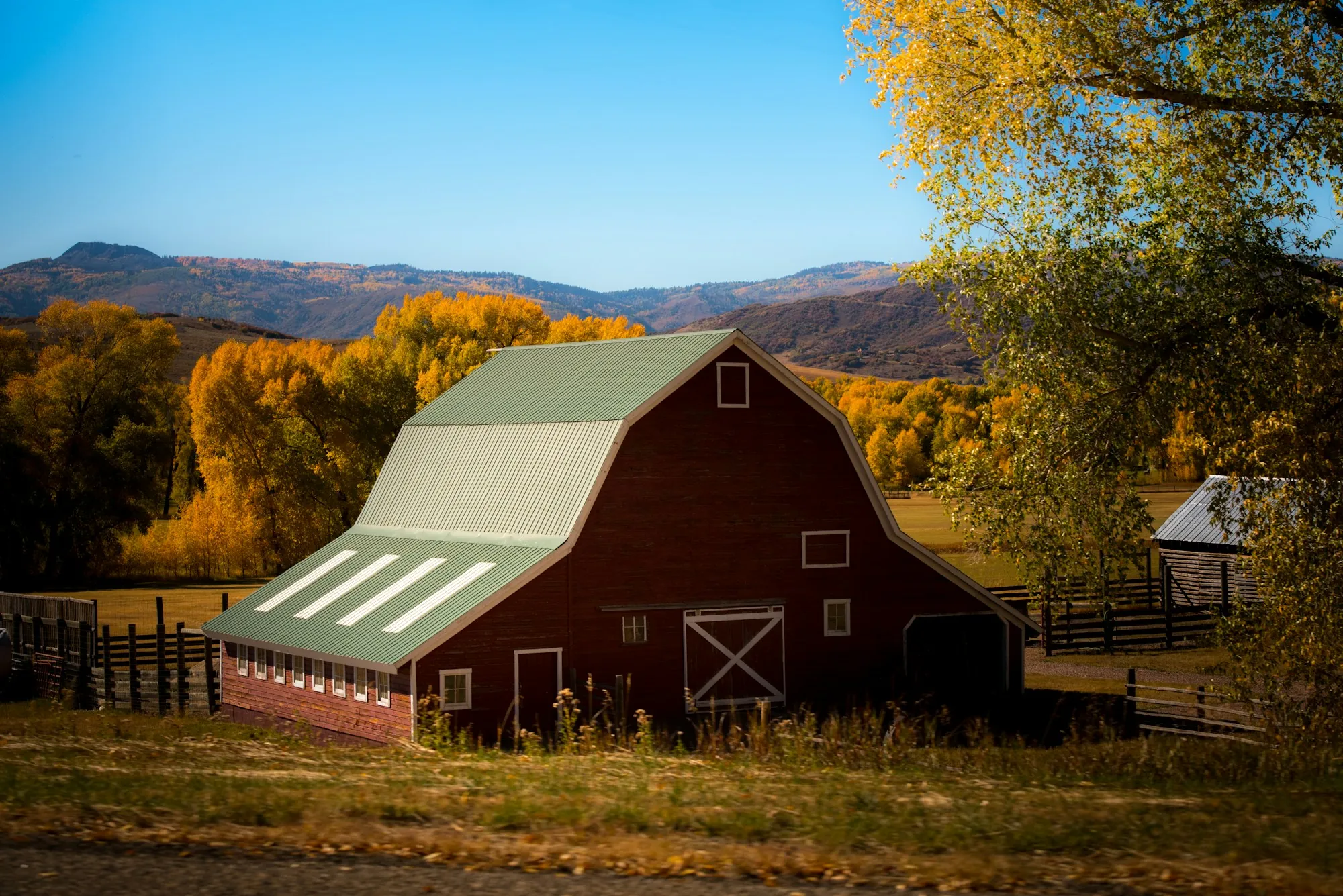
Understanding What Makes Farmland Valuable
Agricultural land is valued very differently from a house, and the differences are worth understanding before you buy or sell. The most important factor in this part of the valley is usually water: whether it comes from an irrigation district, from wells or from both, how dependable it has been over the years, what the wells produce and what groundwater rules may mean for future use. Next are the plantings, such as the variety and age of trees or vines, the condition of the irrigation system, road access, recorded easements and the zoning designation, plus any land conservation contract that may limit how the parcel is used. Real Estate Agent Lamont helps buyers and sellers of orchards, vineyards, open cropland, ranches and rural homesites across the farmland around Lamont, Arvin and Weedpatch and throughout the valley. For sellers, we explain which records buyers will ask for and help gather them, so the price is supported by facts. For buyers, we explain what each due diligence check is meant to reveal and schedule them so the answers arrive before the contingency period ends. When it comes time to negotiate, matters like crop timing, equipment and possession are explained and written down clearly, so everyone understands what has been agreed.
What We Look At, and Explain, on Farm Property
The questions we help answer on most agricultural transactions.
Where the water comes from
District delivery, wells or both, and what the history shows about reliability.
How the wells perform
Depth, pump condition and production, gathered from records or testing.
Zoning and land contracts
What the zoning permits and whether a conservation contract applies.
Trees, vines and crops
Type, age and condition of plantings, with production records if available.
Irrigation setup
The system in place and what upkeep or replacement it may need.
Getting in and out
Legal access and recorded easements explained from the title report.
How the price is reached
Sales of similar land, adjusted for water and plantings, explained one by one.
Terms in writing
Crop timing, equipment and possession spelled out clearly in the contract.
Stages of a Farm or Ranch Transaction
Getting to know the parcel
Water and well information, crop history and recorded contracts are collected first, and we explain what each means for value.
Arriving at a price
Recent sales of similar ground are adjusted and explained, and offers include enough time to verify the essentials.
Checking and closing
Due diligence findings are explained as they arrive, terms are finalized, and escrow proceeds to closing and possession.
Why Landowners Find Us Easy to Work With
Water explained first
The factor that matters most is discussed at the very beginning.
Records made sense of
Well reports and land contracts are translated into plain terms.
Land and home together
A farmhouse on acreage gets both the residential and agricultural explanation.
- Water explained
- Wells reviewed
- Contracts clarified
- Possession planned
Thinking About Buying or Selling Land?
Tell us about the acreage and your plans, and we will explain the water, pricing and due diligence questions involved.